
Click below for a triumvirate of fast, quick facts and fun:
BKLN Bucketlist — If you’re into minis, check out the tiniest, craziest museum in Brooklyn, housed inside some dude’s former foyer.
Kids in the City — Our good friend Nur from ThinkPlaceAgency launched an urban parenting podcast where you can discuss zoning laws and playground politics in the same breath. Go subscribe to Growing Up City today.
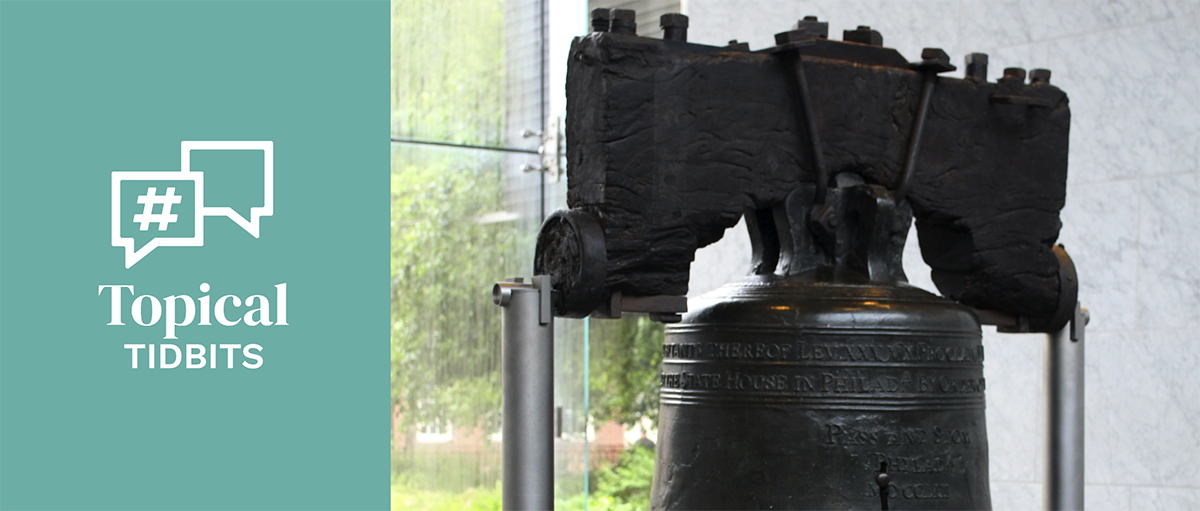
Philly FOMO? — No fear, fam. If you didn’t make it to Philly for America 250, you can watch The Liberty Bell on a 24/7 livestream from the place that birthed a nation.
Photo credit: Joe Richmond on Unsplash
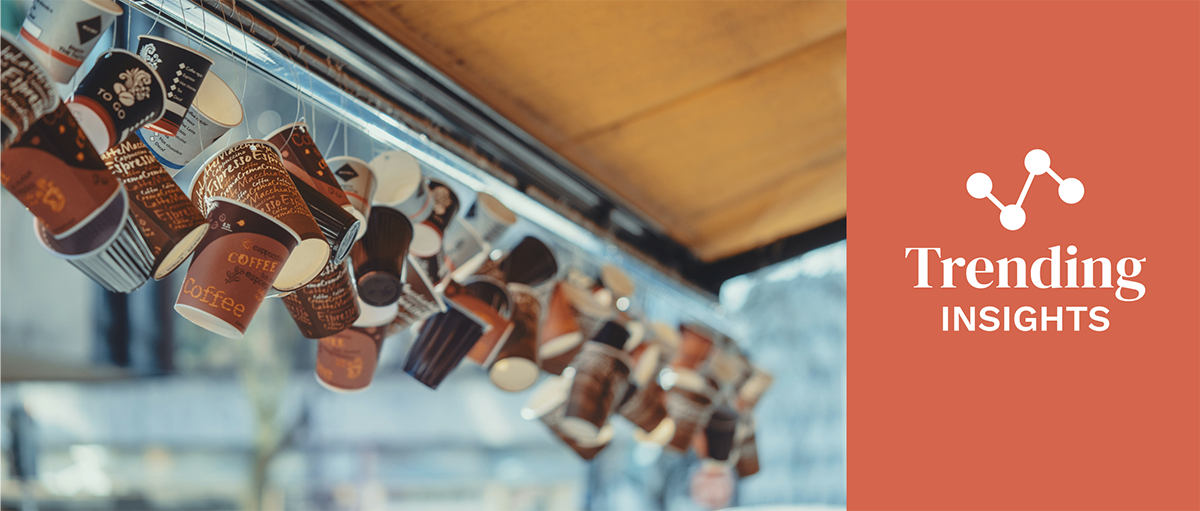
We’ve been tracking the death and dearth of third spaces for a long time now. While we sit back, observe and watch them disappear, larger trends are afoot indicating the damage that’s being done socially, while fixes are right in front of our faces. Third spaces — the parks, diners, libraries, and rec centers where people gather without a paycheck or a syllabus attached — are vanishing, and the data confirms what everyone already senses. The U.S. has lost a fifth of its movie theaters and nearly a third of its bowling alleys since 2001, and a 2025 study found closures across every category of “third place” from 2019 to 2021, hitting hardest in rural areas and communities with larger Black, Hispanic and less-educated populations. Those that survive often price people out: restaurant food costs have risen 38% and menu prices 31% since 2020.
The cost isn’t just financial. Chronic loneliness and isolation now carry a mortality risk comparable to smoking 15 cigarettes a day, and the U.S. Surgeon General’s advisory put socially disconnected Americans at up to 29% higher risk of premature death.
Young people feel the squeeze acutely, and we’re seeing a rise in disruptive social behaviors with younger folks around the country getting swept up in social media-driven “Teen Takeovers” that villainize youth, and sadly, often result in violence. Many cities and districts are grappling with how to handle the growing social dysfunction. Various management methods are being tested, but none with great success.
Downtown Pittsburgh, which recently completed a $15MM makeover of Market Square, the crown jewel centerpiece of the city’s livingroom, which played host to this year’s NFL Draft, America 250, and the largest Picklesburgh event to date, recently instituted a chaperone policy for those under 18, and is now being sued by a local grandmother, who claims “I just want fairness,” — and thats understandable.
In Philadelphia, public spaces feel off-limits to teens, who say more welcoming spaces could mean fewer large, unsupervised gatherings and less fighting — yet they’re routinely asked to leave malls, convenience stores, and parks, with nowhere sanctioned to just exist.
According to GEHL, a leading global urban strategy and design consultancy, research suggests the fix doesn’t require reinventing the city. It requires funding what already works: availability, access, design, programming, maintenance and operations. In a recent post on Linkedin, GEHL highlighted a NYC success story. The 14th Street Y used a $25,000 programming grant to turn strangers into neighbors — with a cup of coffee. That’s a rounding error next to what loneliness costs the economy in lost productivity and healthcare spending.
A $1 cup of coffee won’t fix the loss of third spaces or the youth curfew debate. But it proves the principle: belonging is infrastructure, not an accident — and it’s cheaper to build than we’ve been acting like.
Photo credit: by Daniel von Appen on Unsplash

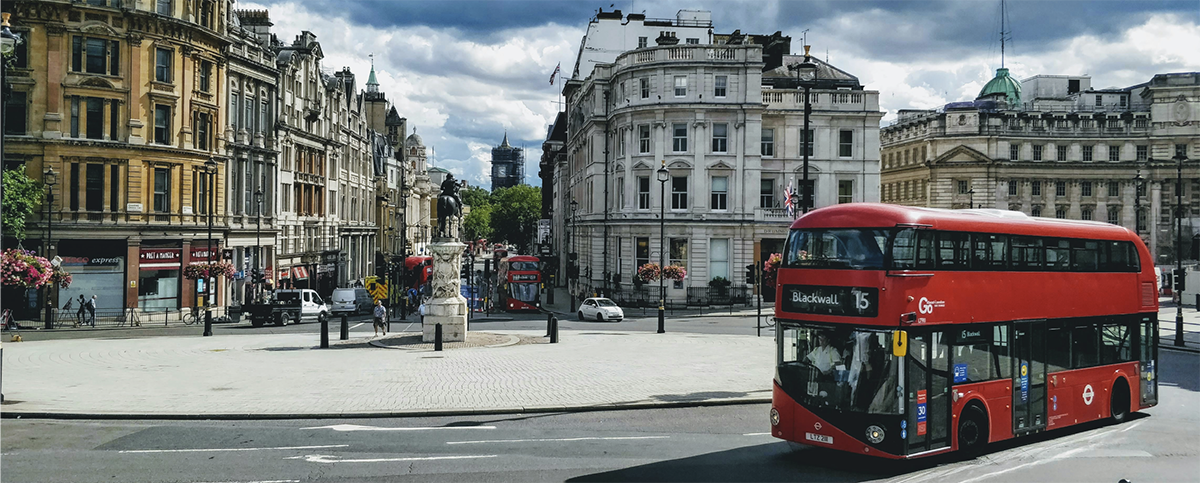
… that out of the nearly 1,500 public monuments in London, only 4% were dedicated to women, and a paltry 13% were created by women? That stark imbalance is exactly what The Artist’s Garden was built to address. Since opening in 2021 on a once-neglected rooftop above the Temple tube station, this half-acre space has become the world’s only free public sculpture garden dedicated entirely to women artists, drawing more than 100,000 visitors a year. It has given emerging artists a rare platform to exhibit large-scale public work and connect directly with audiences of all ages and backgrounds.
Now that garden is under threat. Places for London, Transport for London’s commercial property arm, has moved to grant the site’s lease to a private developer, with eviction set for October 1, 2026. Supporters argue the garden sits on land protected by legislation dating back to 1864, and that its loss would represent far more than the closing of one venue. It would mean the disappearance of a rare public space explicitly built to celebrate women’s creative achievement at scale.
This fight matters beyond London’s skyline. It’s a test of whether cities will protect the few spaces that correct historic inequities in public art, or quietly let them be developed away. Those who value visibility, representation, and public access to art are being urged to sign the petition, support the campaign’s fundraising effort, and help keep this space open for the communities it serves.
Photo credit: Josh Mills on Unsplash
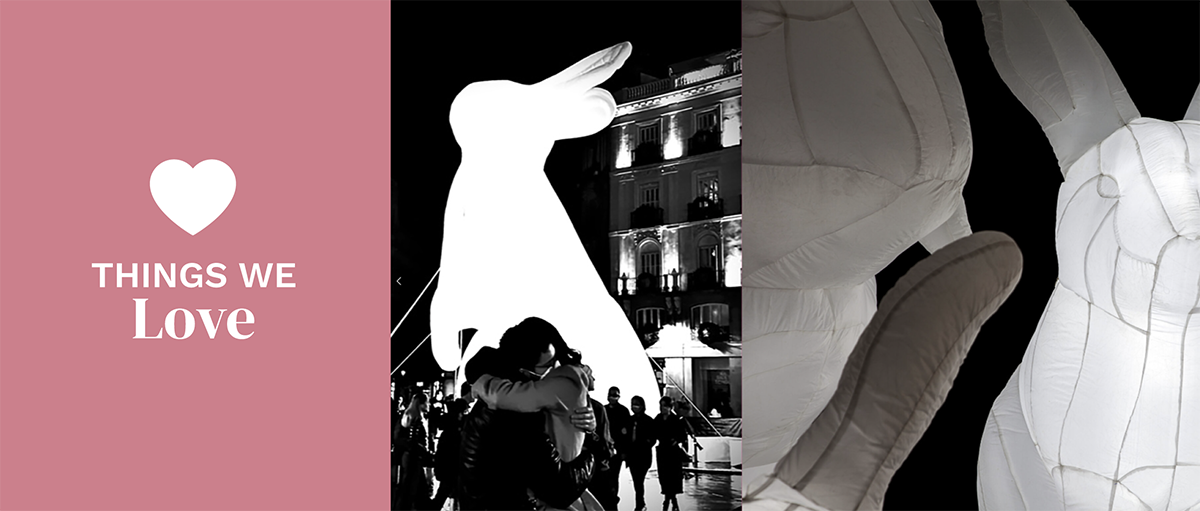
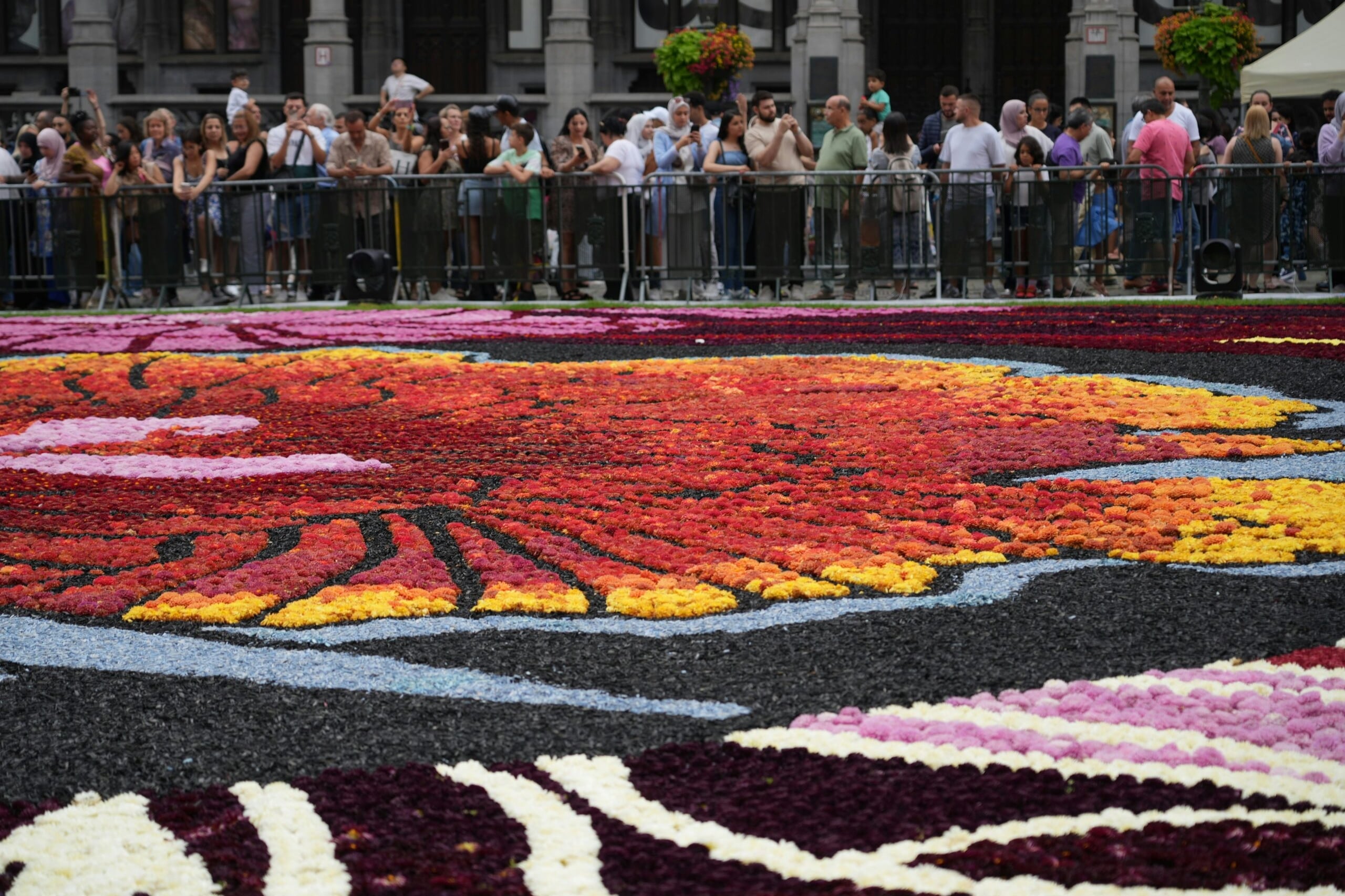
We’ve been fans for years now, following along the journey of Tasmanian artist Amanda Parer, whose iconic bunny rabbits have lived in our heads rent free forever. Parer’s larger-than-life lagomorphs cemented our love-love relationship with her work, and we’re thrilled to watch from afar with envy and admiration, as she‘s taken the craft of inflatable placemaking to new heights (like literally multiple stories tall), and punches above her weight with outsized proportions punctuating downtowns and districts globally. Parer says, “My art aims to evoke a sense of wonder whilst raising questions about our relationship with the natural world,” and we love the way she brings nature’s majesty into metro munis, causing a stir and giving folks plenty of reason to “come downtown” for an evening — or three. Not sure where to find her next? Simply check out Amanda’s handy dandy calendar of installations, and start planning your next placemaking road trip.
Photos courtesy of Amanda Parer
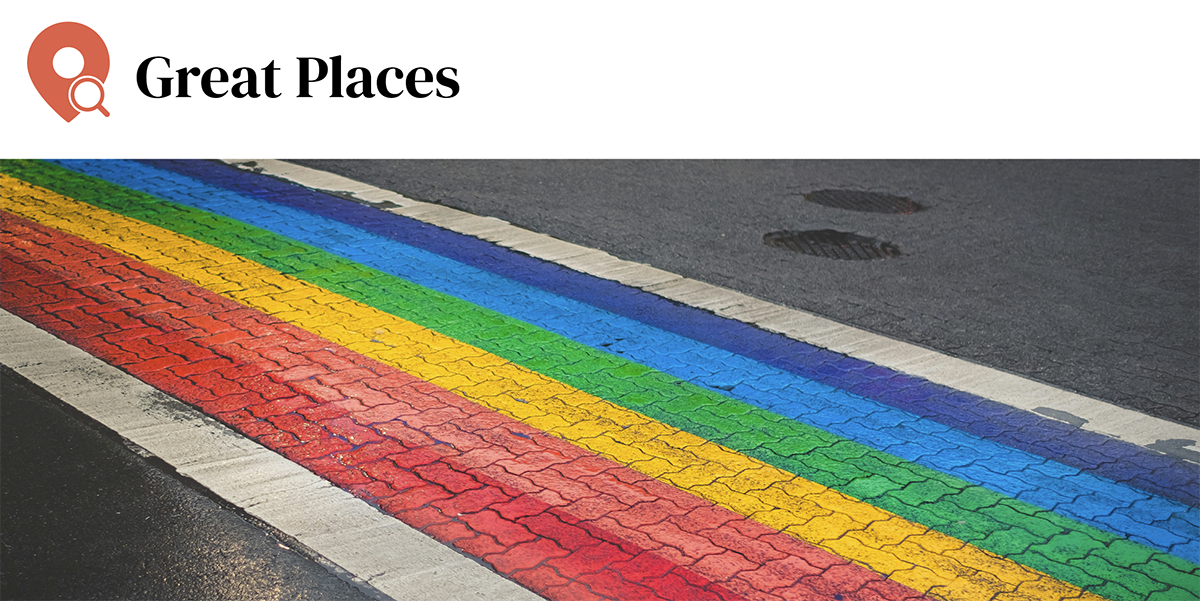
Texas politicians found a bold new use for state highway funds — holding them hostage until cities scrub the rainbows off their own streets. Governor Abbott’s “no politics on pavement” decree — dressed up as a safety measure — somehow also swept up a Black Artists Matter mural and a Guadalupe River tribute, because apparently color itself is the real traffic hazard. Every appeal for an exemption was denied, across the board.
But Texans aren’t exactly known for rolling over. Dallas repainted library steps rainbow. El Paso wrapped its streetlamps in Pride flags. Austin turned the crosswalk’s demolition into a block party, inviting residents to paint hearts on a new mural just steps away. San Antonio, ever dramatic, dropped $170,000 on rainbow sidewalks at the very intersection it was forced to strip bare.
Moral of the story? You can scrape the paint off the asphalt, but you can’t legislate “morality”.
Photo credit: by Cory Woodward on Unsplash
“I just want fairness.”
— Pittsburgh grandmother, Renee Wilson, who is suing the city over its controversial chaperone policy.