
Three teensy, tasty morsels for your midsummer delight:
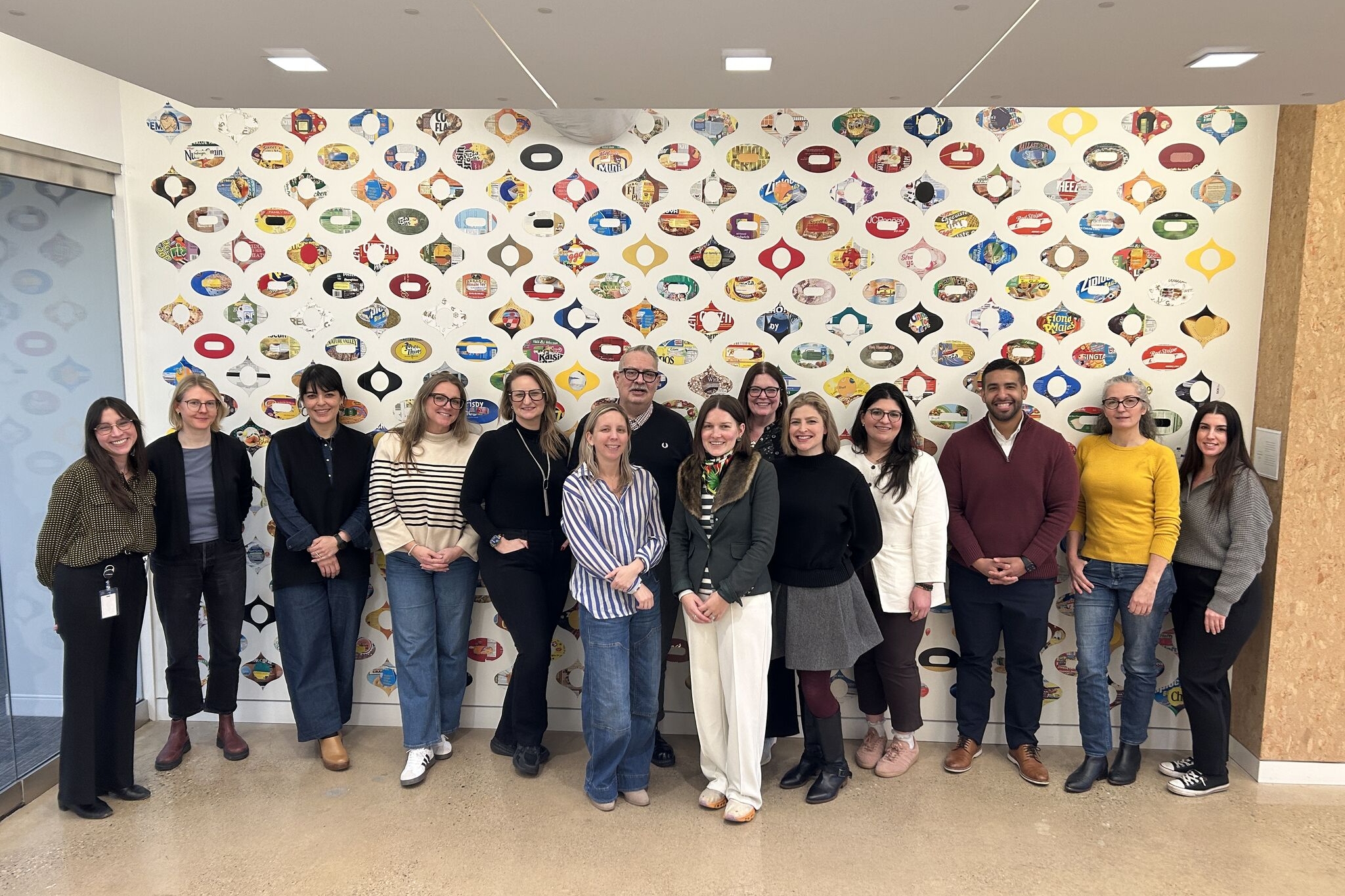
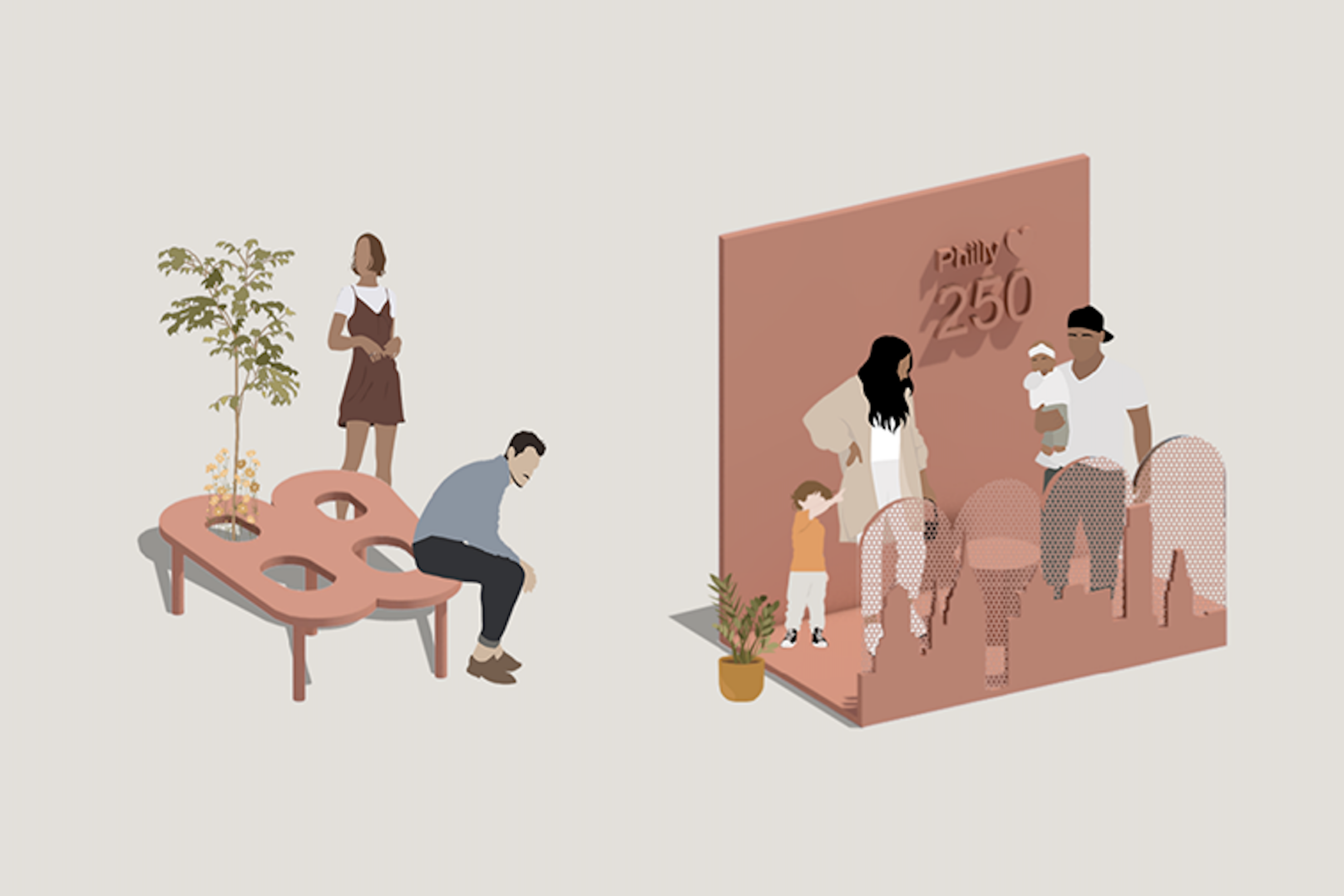
- Urban Ups & Downs —Most Clean & Safe teams don’t get the visibility or accolades they deserve — unless you’re in Uptown Downtown Oakland, where creativity + cleanliness collide to make great content.
- Seen. Heard. — BID management can be summed up as “everything including the kitchen sink” and then some. Take a deep dive into the realities of UPMO with two industry veterans talking shop, and their takes on the intricate inner workings of place management on S2: E19 of the peerless Sidewalk Ballet podcast.
- Soulful Summer Sojourns — if you love the idea of packing a cooler and heading to the beach (mountains, lakehouse or whenever your summer place of zen finds you), with a good book in hand, then look no further, fam. Here are 10 summer urban planning reads from Planetizen.
Photo credit: Linkedin

Fess up or be fined. That’s what New York State is saying with new legislation that requires disclosure when using AI-generated visuals in adverts.
It’s worthy to note that even if your organization isn’t located in NY state, the law still applies. So say for example you’re running a tourism campaign in Ohio, and you target a 5-hour driveshed, if the ads are displayed to residents of NY, the disclosure is required.
According to Marketing Brew, for marketers this means that to be compliant, you’ll need to disclose the use of AI-generated lead performers, background or extras, as well as use cases like an AI-generated hand model.
The bill doesn’t define what disclosure should look like or the language to use, but should ads run without the required disclosures — advertisers are liable to fines to the tune of $1,000 for the first penalty and $5,000 for subsequent offenses — a deterrent that could overshadow your actual media budget.
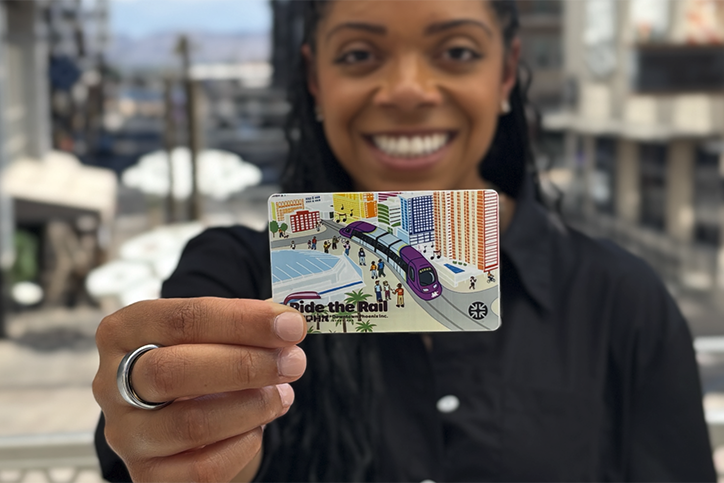
Hey, we have an idea! How about you just let creatives be creative, and design real ads for real humans using photo-real pictures of people? Novel concept in the age of AI slop. And yet, we feel remorseful for place management practitioners who’d prefer to forego actual humans in the pursuit of unrealistic perfection. We’re gonna share with you a not-so-new, and potentially radical approach that we’ve posited for years. And it’s got William H. Whyte’s stamp of approval.
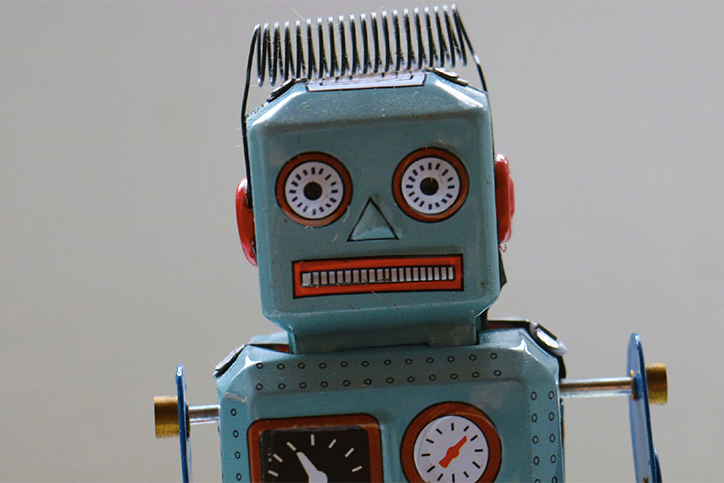
First off, let’s talk about the concept of Uncanny Valley — a psychological phenomenon where people experience feelings of unease, revulsion, or eeriness when observing artificial figures — like lifelike robots or CGI characters — that appear almost human, but not quite. Coined by roboticist Masahiro Mori in 1970, the concept highlights how our affinity for human-like entities drops sharply just before they achieve total realism. So why risk revulsion with a fake face?
Second, we’re gonna let you in on a little secret. Even though many of you love pushing pictures of your glimmering skylines or perfectly manicured, yet empty public spaces — the fact remains that you’ll see higher engagement in your socials if you post these three types of authentic images. People LOVE looking at babies, pets and — take a wild guess here — other humans.
Much research has been done about how our nascent brains grow, and how even the tiniest of babies begin their visual ascent, starring at the faces of their parents, family, friends and healthcare providers. Our brains develop a nuanced matrix of human imagery, focusing on facial patterns. It’s how we begin to recognize one another, and form bonds and friendships. Madonna said it best, “ … it’s human nature.”
So to encapsulate all of this, we return to a time-worn truism that remains one of our guiding principles. It’s a 46-year old quote from the Godfather of Placemaking himself, William H. Whyte. Whyte, who studied human behavior in cities in the mid-to-late 20th century, noted that, “What attracts people most, it would appear, is other people,” and BOOM! Mic drop. Therein lies the bewonderment at a creative’s decision to even use AI to generate imagery of digital personages or body parts. Just because AI can do something — doesn’t mean you should do it.
So while we laud NY State for the legislation (and be prepared for a slew of subsequent states following suit), today NY leads the way in setting the facts straight. Common sense informs us that an Occam’s Razor-adjace approach is best. Take the shortest, easiest route to advertising engagement, and just put real people in your ads. You’ll be glad ya did.
Photo credit: by Mika Ruusunen on Unsplash

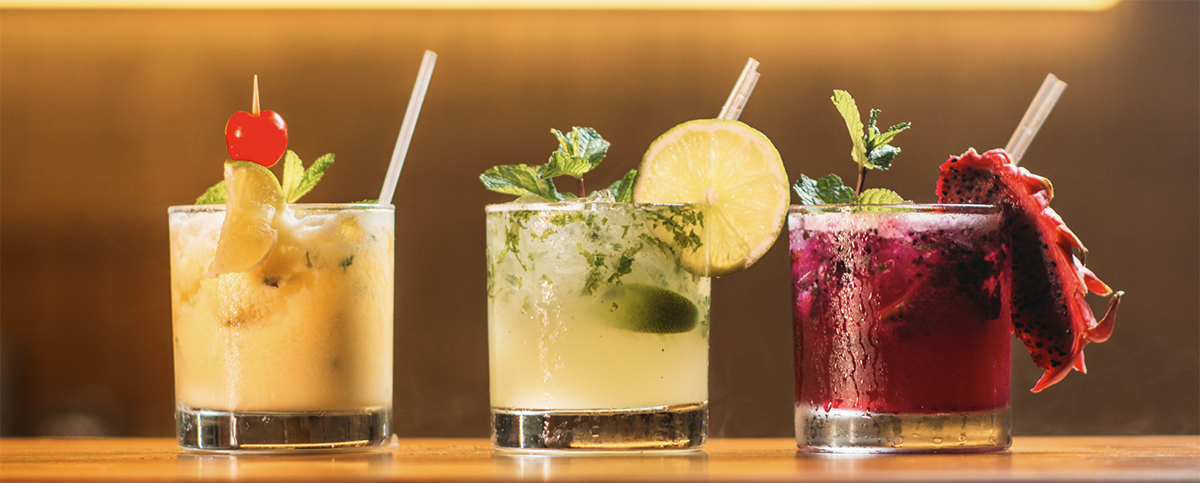
… that recent restaurant data suggests that zero-proof drinks can turn a sixty-five to seventy-five percent profit margin? We’ve all read the trends that younger generations are eschewing alcoholic beverages in favor of vaping or downright smoking cigarettes again, however, the trend away from tipsy doesn’t mean your district’s bars and restaurants should be bearing the brunt. In fact, the zest of zeal of an exhilarating mocktail may just be what the doctor ordered for F&B fitness. This article from INC. compares the playbooks of Applebee’s versus Bahama Breeze from an executional standpoint, and one clear winner stood out. Zero-proof beverages (like alcohol free beers) have been on the rise for years now, but recent trends indicate that by avoiding the added costs of liquor and relying on the same mixers used at your bar, zero-proof drinks can deliver strong profit margins. Share this one with your F&B ratepayers and if they don’t yet offer an alcohol free mocktail program, they’re missing out on some serious upsells and incremental sales.
Photo credit: by Kobby Mendez on Unsplash
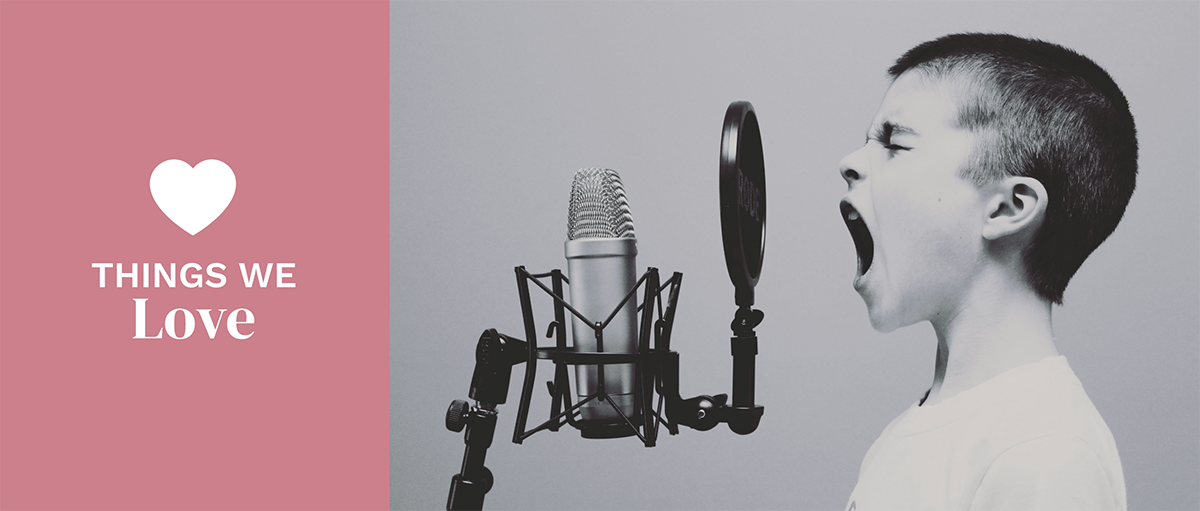
Okay, pull up a chair, and let’s talk about brand voice, aka your company’s personality after a couple of espressos.
Here’s the big idea: your brand voice is basically the “you” that shows up in every caption, comment reply, and customer service message. Get it right, and people can spot your posts before they even see the logo. Get it wrong (or let it wobble depending on who’s typing that day), and you end up with the digital equivalent of a stranger wearing your face (like Arya Stark), but we digress.
Why bother nailing it down? A few strategic reasons — it makes you instantly recognizable, keeps copycats and fake accounts from blending in, gives every team (sales, support, the intern who runs TikTok) a shared script, saves you from cringey off-brand replies during a PR fire, and — maybe best of all — makes your brand feel like an actual human someone might want to be friends with.
So how do you actually build one? Nine steps, no fluff: get to know your audience like they’re a situationship you’re trying to understand, nail down your mission (what do you stand for, and why should anyone care), sketch out a “brand persona” like you’re casting a character in a rom-com, write it all down in a proper style guide, lean on a tool to keep everyone singing the same tune, let the voice flex a little per platform (ex: LinkedIn-you and TikTok-you can dress differently, same soul), then test, tweak, and repeat forever because brands, like people, evolve.
This article’s showcase of real brands is basically a personality lineup: Liquid Death is the leather-jacket rebel selling water like it’s contraband. La Croix is your bubbly best friend who says “bestie” unironically. Calm is the soft-spoken older sibling with soothing blue everything. Headspace is Calm’s louder, more colorful cousin. Whole Foods keeps it breezy and brief. And Trader Joe’s writes like the world’s friendliest grocery clerk who really wants to tell you about his favorite new snack.
The takeaway here is — pick a personality, commit hard, write it down, and let it flex without ever losing itself — that’s the whole love story of brand voice.
Photo credit: by Jason Rosewell on Unsplash
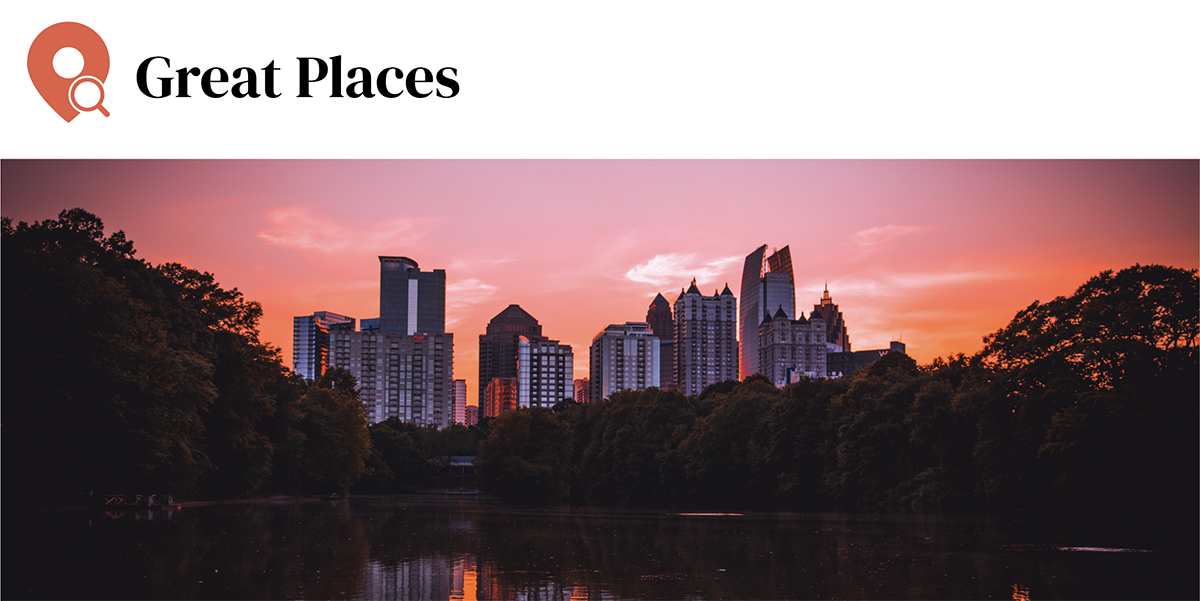
Some cities are just plain saucy. It’s part of their DNA. Rio de Janeiro is known for its sultry nightlife and scantily-clad beach culture. Paris is the City of Lights, and also a top destination for honeymooners, romance and a healthy helping of passion. But if you’re looking to find the real freakers, apparently Atlanta, GA is the place to go. Not surprising, given the city’s precocious double-entendre nickname of “Hotlanta” — at least according to OnlyFans. The network’s “digital intimacy market” study pegged $2.63BN spent last year alone, with Atlanta coming in as the biggest spending market nationally. The ATL is followed by Orlando, FL in terms of dollars doled out (consider that before taking your kids on their next Disneyified adventure), and mapped the Top 10 US Metros by OF spend for FY 2025. The full list may or may not surprise you, and the study also ranked the top ten districts/states in the survey. That list’s Number One spot will most likely not shock you. Get the full run-down, rankings and spiciest stats, over here on USA Today.
Photo credit: by Christopher Alvarenga on Unsplash
“What attracts people most, it would appear, is other people.”
— William H. Whyte, in his seminal 1980 book The Social Life of Small Urban Spaces