
Three quick hits, ya don’t wanna miss:
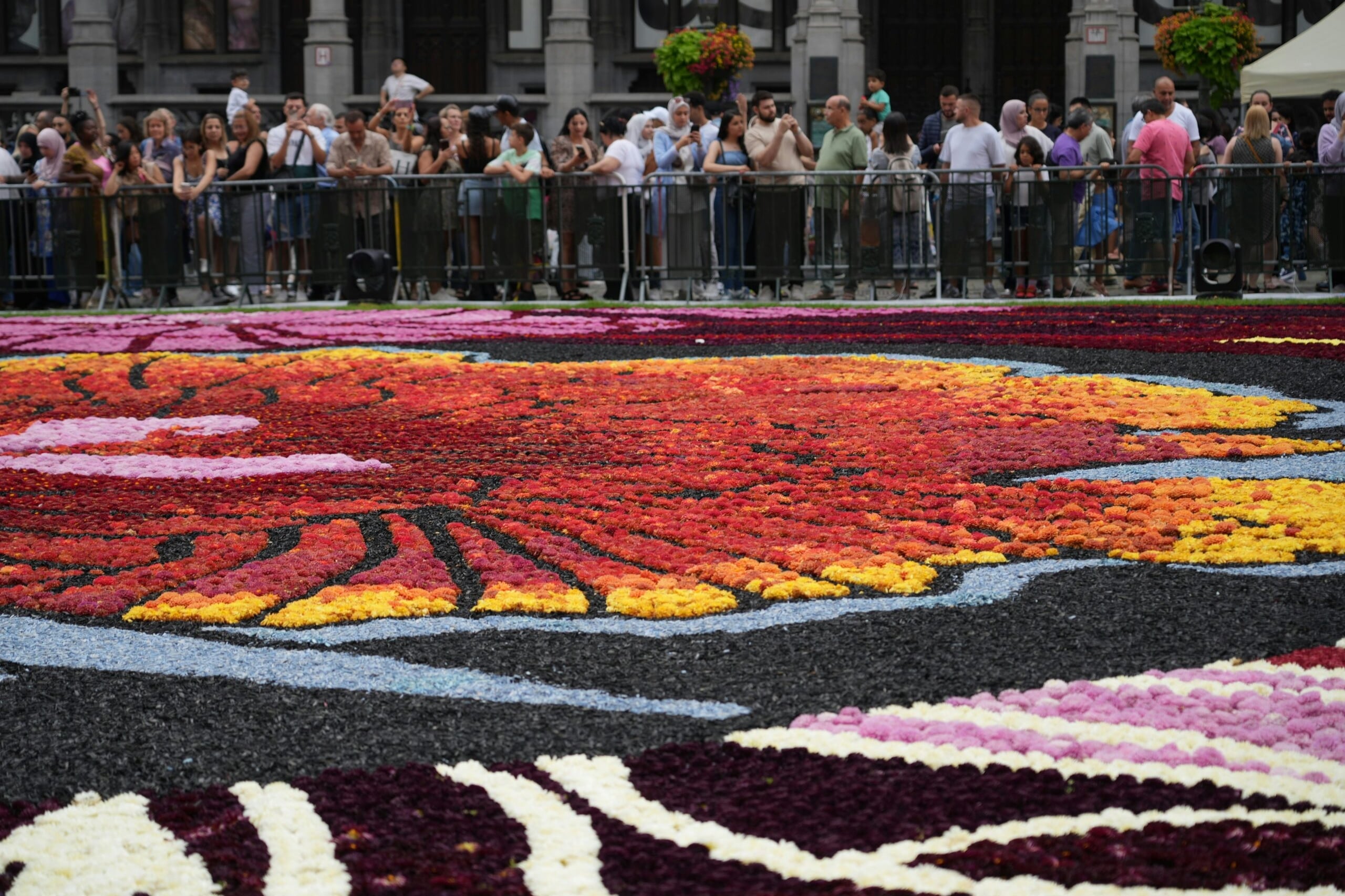
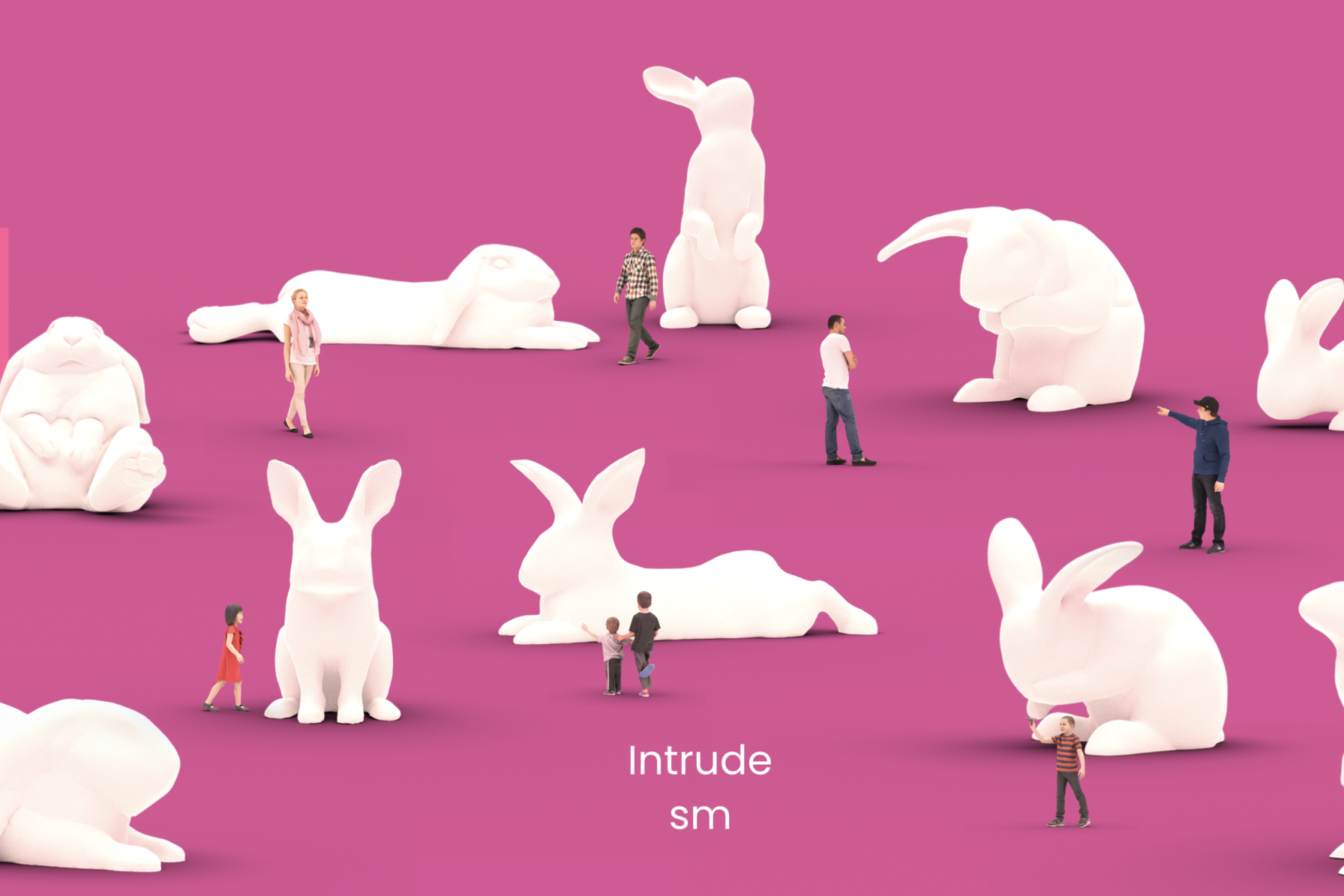
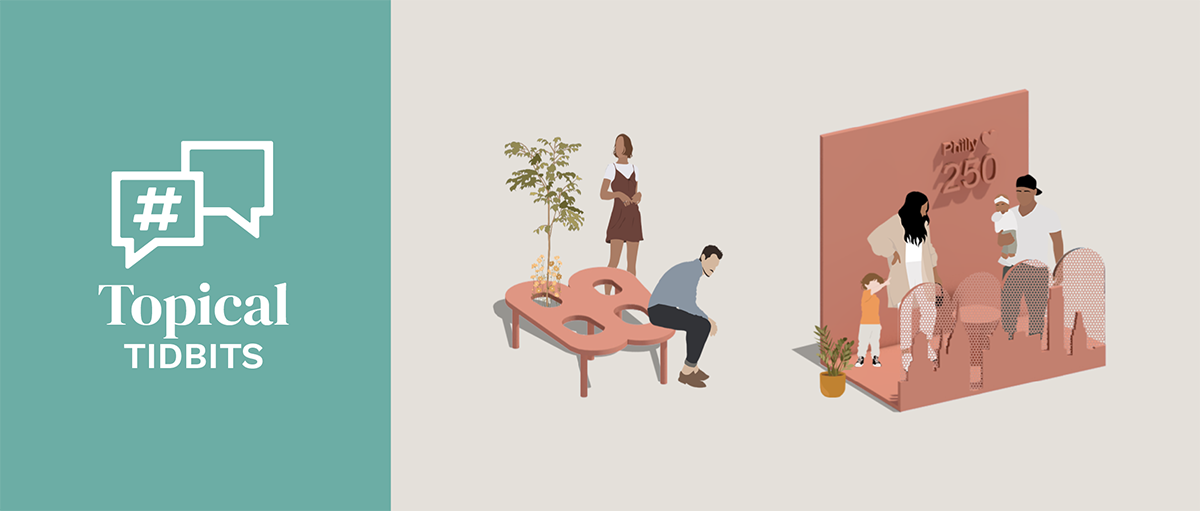
- Local Flavor — We’ve partnered with Philly-based Praxis Placemaking Studio to launch a series of scaled placemaking installations — designed to direct, engage, and delight visitors during this summer’s 250 celebrations. Each piece is fully customizable to your district’s culture and character. Oh, and there’s funding available! Contact Praxis, and make your neighbors jealous.
- Calling All Blockheads! — Bloomberg and Johns Hopkins are granting $70K to cities with a population north of 50K residents, with a mayor in tenure through 2028 with their “Love Your Block” program. Grant applications are due first of June, so don’t wait to show your love!
- Drop it like it’s … Produce?!? — Downtown’s hottest nightclub may be found at the local Piggly Wiggly, bodega or coffee shop, nowadays. Bon Appétite broke this trend of alternatives to clubbing that are safer, more accessible, and rooted in neighborhood culture rather than excess.
Photo credit: by Praxis Placemaking Studio
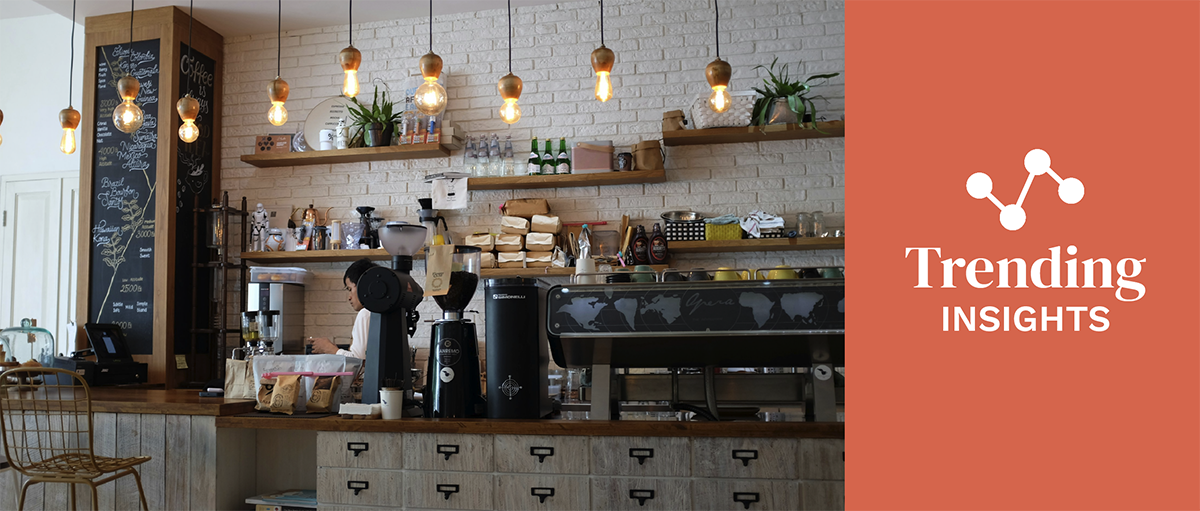
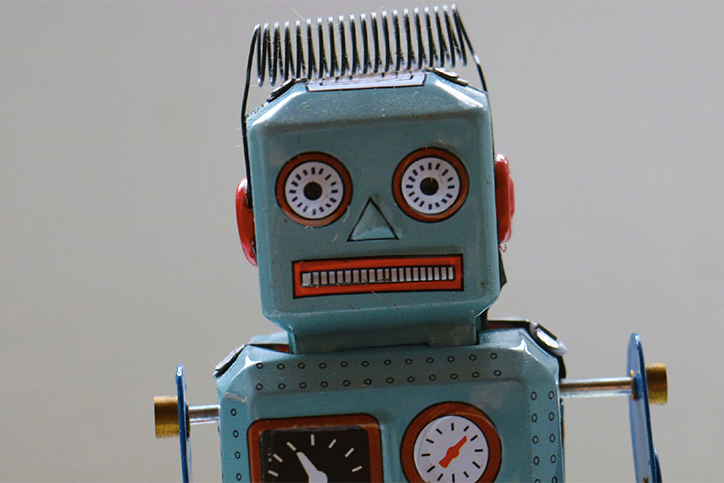
Congratulations — you’ve teleported! Fortunately it was to a coffee shop, (not a Waffle House). Ahem. Or at least, that’s what it feels like walking into yet another café with exposed brick, reclaimed wood, and a chalkboard menu requiring a linguistics degree to parse. You haven’t moved. The coffee shop has simply refused to. The “third wave” independent café — once a genuine act of rebellion against the Starbucks machine — has become its own franchise of feeling. A monoculture cosplaying as counterculture.
The culprit? Algorithms, mostly. Social media algorithms promote the visuals users engage with most, which causes owners to replicate those same looks, which get promoted further — a self-reinforcing cycle of aesthetic surrender. Cultural critic Kyle Chayka dubbed this phenomenon “AirSpace” — that eerie feeling of moving between cities without ever really leaving the same room.
Supply chains accelerate the problem too — designers, contractors, and equipment suppliers all circulate through the same playbook. When margins are thin, originality is the first thing negotiated away.
The result? A beautiful room full of strangers, optimized for Instagram, all to be forgotten by Tuesday. They optimized for aesthetic and forgot about belonging, which is why everyone believes they’re unique when … well, this Insta vid basically sums that up for ya.
Need help breaking out of that mold, and developing a genuine, welcoming approach that stands out from the maddening monotony? Go check out our partner and “shopfront strategist” Jaime Izurieta from Storefront Mastery. He’s got thoughts upon thoughts on the topic, and an authentic platform and program to truly make your district pop.
Photo credit: by Nafinia Putra on Unsplash

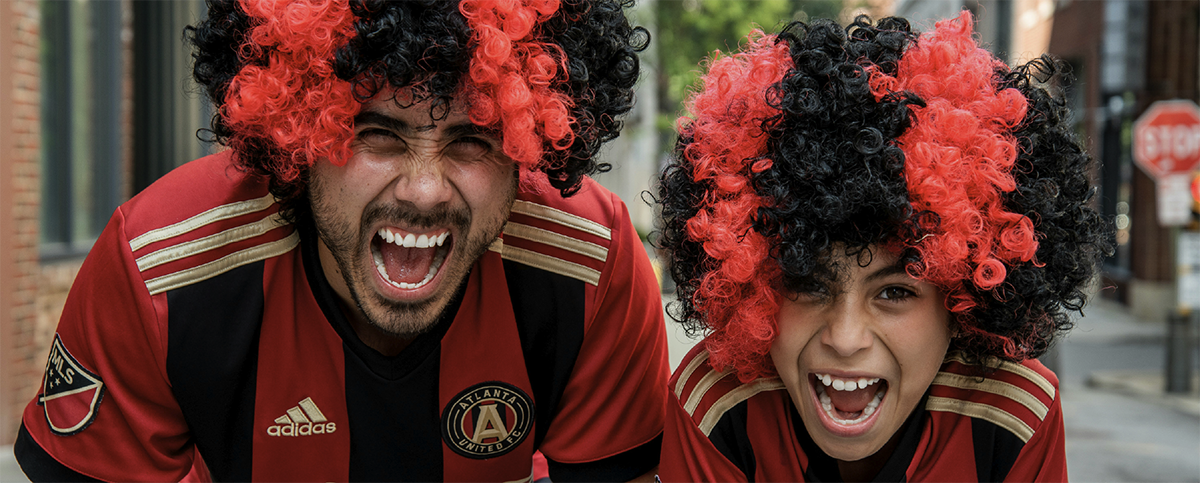
… that the 2026 FIFA World Cup is estimated to draw five million visitors across 11 American host cities? Most of them will spend far more time in your downtown than in any stadium. And two of our industry’s top presidents & CEOs have penned an informed post on Planetizen about just this topic, so props to Robbie Silver of Downtown San Francisco Partnership, and Suzanne Holley from the DTLA Alliance for their prescient piece.
The authors posit that we have a once-in-a-generation opportunity to strut our stuff — which is unfortunate, because many American downtowns have a problem. Not the skylines — those are fine. It’s the street level. The shitty wayfinding, the empty storefronts, the blocks that feel like a city quietly gave up on itself somewhere around 2009.
Mega-events have a long history of broken promises. Cities pour money into venues, infrastructure and branding, then watch visitors form their lasting impressions in the three-block radius around their Airbnb. And those impressions? Broadcast in 4K to billions of global viewers who absolutely will not be zooming in on the stadium architecture. Urban planners have been saying this for years: the pitch is fine. It’s everything around it that needs work.
So yes — hang the banners, build the fan zones and print the commemorative cups. But maybe also pressure-wash the pavement, activate your spaces, and make your downtown feel like somewhere worth coming back to. The world will be watching. Literally. Which is why we dropped this Trends Report last month that includes three strategic pivots, you still have time to make. Score!
Photo credit: by Ronny Sison on Unsplash
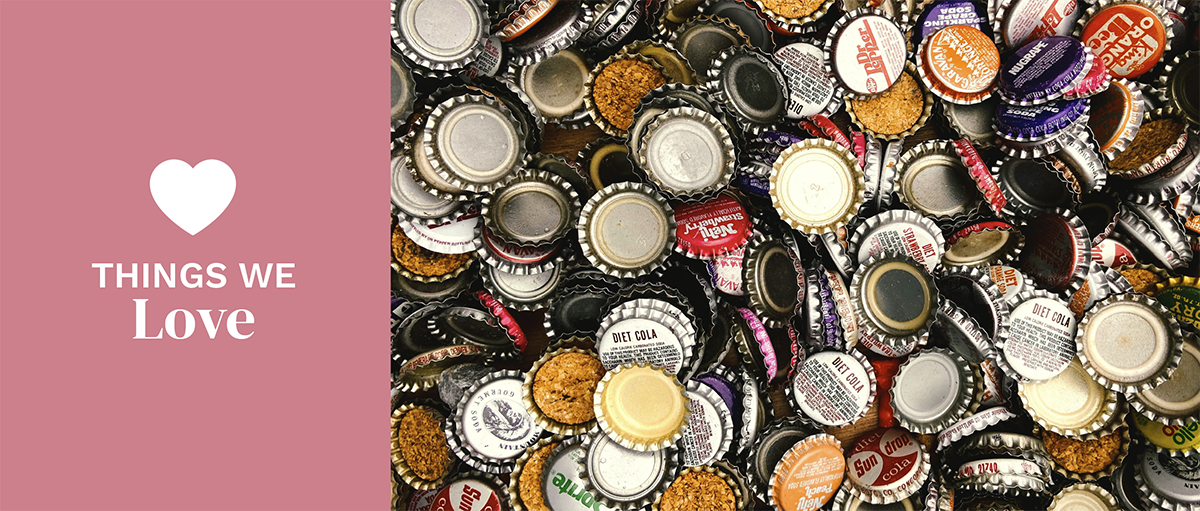
100,000 Bottle Caps. One Mona Lisa. And a Neighborhood Transformed. In Zacamil, El Salvador — a suburb once marked by gang graffiti — a 43-foot mural now gazes down from an apartment building. Made entirely from 100,000 recycled bottle caps, it’s artist Óscar Olivares’ reimagining of the Mona Lisa as a Latin American woman. “We are living a new Renaissance,” he says, and it’s hard to argue with him.
The caps were gathered over months by community volunteers — washed, sorted, and rescued from the trash — then arranged using a Pointillist technique inspired by Paul Signac. Up close, it’s an eye-watering shambles of steel circles. Step back, and it’s breathtaking.
What makes this story so powerful isn’t just the art — it’s what the art does. It reclaims a space. It tells a community: you belong here, and so does beauty.
Place managers take note: you don’t need a massive budget to transform a neighborhood. You need a vision, willing hands, and perhaps a very large collection bin. The raw material is already out there — sometimes literally in the trash!
Photo by JACQUELINE BRANDWAYN on Unsplash
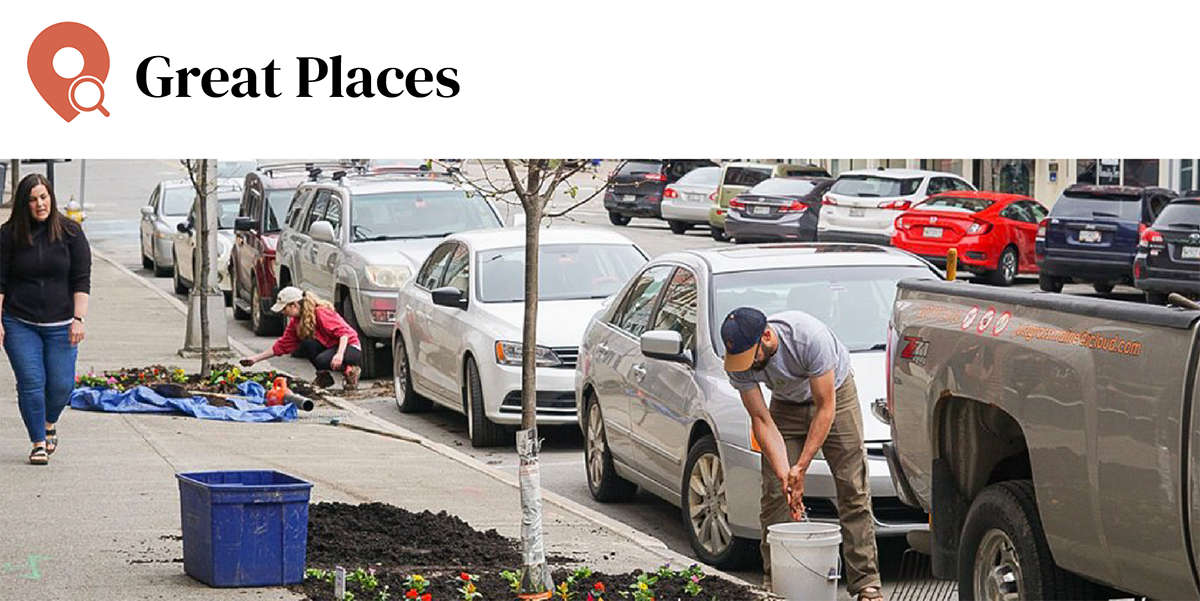
Spring is bustin’ out all over the continental U.S., and we wanted to share with you a brilliant program we’ve seen in the wild — that brings order to nature, beautification to the streets, and an ingenious invite to civic pride. For over a decade now, the Downtown Bangor Partnership’s Adopt-A-Garden program has invited the community to adopt local gardens. These are microgardens at best — typically a 4’x4’ space around tree pits, sidewalk spots and public plazas that accent and augment the streetscape experience. The program is technically FREE to participate (but ya gotta provide your own plantings of indigenous, non-invasive species). Each mini oasis is marked with an 8.5” x 5.5” sign. No garden gnomes allowed — only pure community experience. Some folks snag a spot for their families. Social groups (like the local Pride org) program entire plazas with pretty posies.
The gardens go in on “Big Dig Day” in May, and once in place, your adopted garden requires care (as all gardens do). But Marsha, a devoted Public Works employee pitches in, and can be seen watering plants throughout the downtown all season long. Then, in late October the district hosts a Fall clean-up event, and the organic debris is collected by the city, composted and turned into mulch for next year’s gardens. Can you say sustainable, mulch … erm MUCH!?!
The brilliance of the Adopt-A-Garden program sits with its invention. The program grew from a city budget cut when there were no municipal funds for planting that year. And since that time, it has grown like gangbusters! What started out as 40 public gardens in 2014 has now blossomed into 150 gorgeous gardens punctuating the downtown footprint. The Downtown Bangor Partnership has launched a new interactive map with garden locations. This year gardeners will be able to upload “brag photos” of their specific pieces to the map — with potential plans to gamify the program. The partnership is also printing tees for participants with the program’s slogan, “Digging Bangor Since 2014”.
This highly replicable program could be easily deployed in your downtown; inviting the public back into the public realm and nurturing a blossoming sense of community pride. Kudos to you, Downtown Bangor. We dig it!
Photo credit: The Downtown Bangor Partnership
“Downtown belongs to everyone. The Adopt-A-Garden program allows anybody who feels that connection (or wants to), to take a plot, make it their own and share it with the community.” — Betsy Lundy, Executive Director, Downtown Bangor Partnership