
Our latest roundup of quick hits are all ICYMI imperatives:
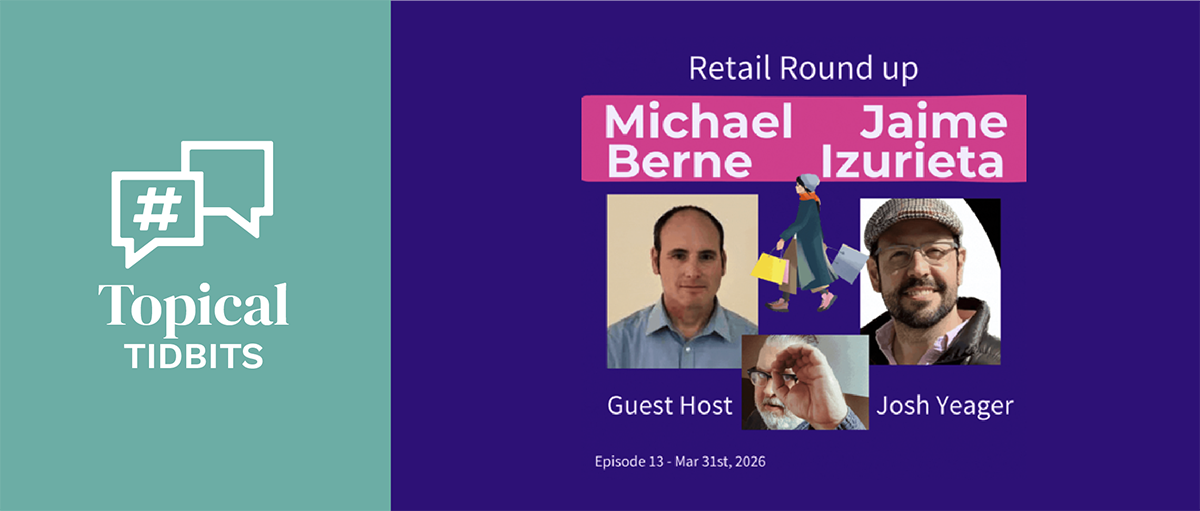
- Retail (R)evolution — Our cofounder Josh was invited back to the Sidewalk Ballet podcast; this time interviewing Storefront Strategist Jaime Izurieta and Retail Futurist Michael J. Berne on the ever-evolving story of how retail experiences define your sense of place. Listen today on all major platforms.
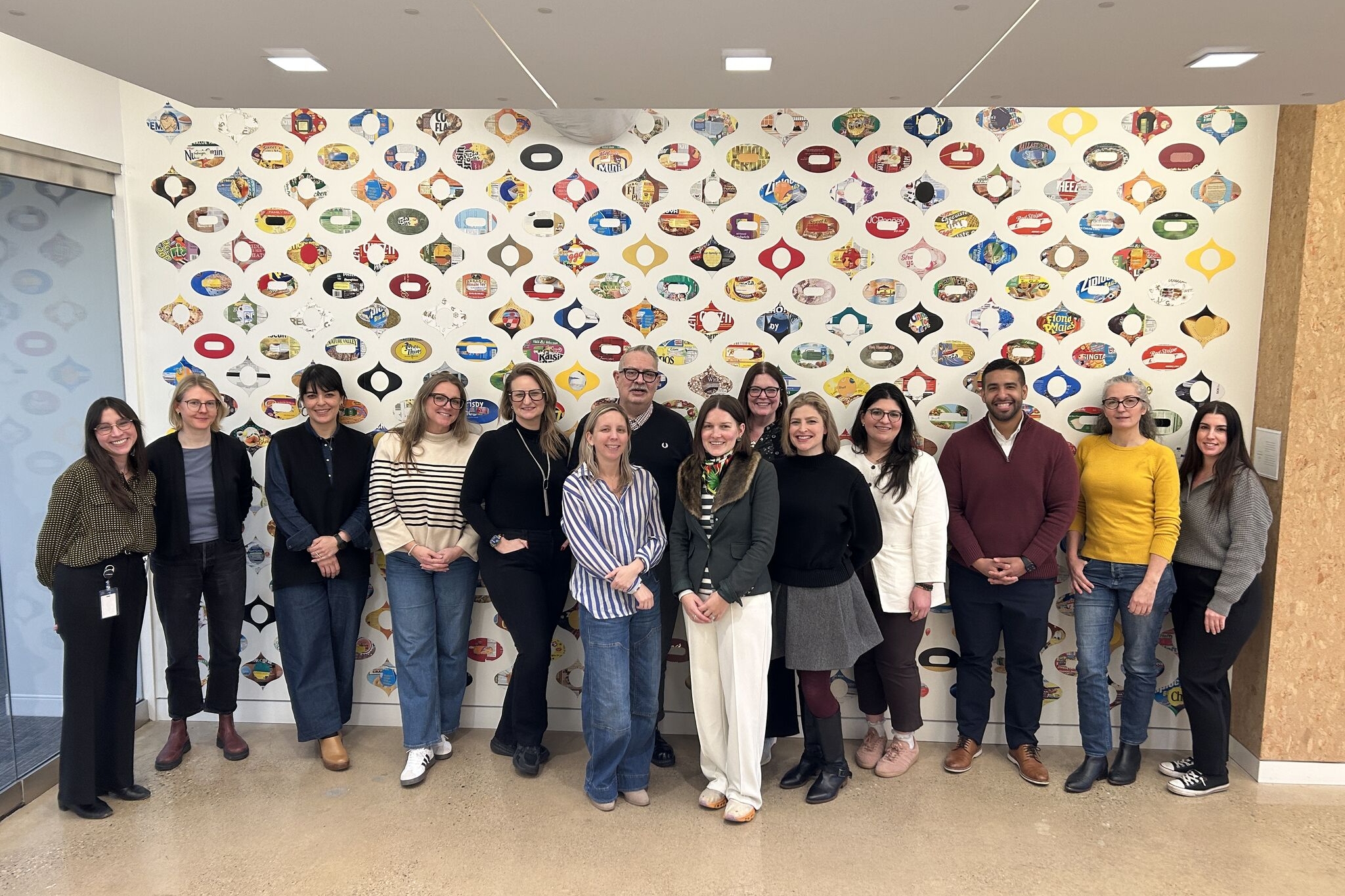
- Measurement Matters! — We’ve been busy beavers over here working hand-in-glove with our partners at District360 to host a series of roundtable discussions about measuring belonging, outputs over outcomes, net promoter scores and quantifying the impacts of placemaking, public art, events and activations in your hometown. We even dropped a Trends Report to guide your efforts in build out layered data to truly tell and sell the story of the impacts your district makes. Watch the roundtable videos and download our Trends Report here.
- If you build it, will they come? — In a profound wake-up call for the tourism industry, we posit three critical pivots your district needs to make right now, because the rosy predictions around FIFA, America 250 and more may not hold the destination dollar swagger eco devo circles have been promising. Educate yourself now with our point-by-point 2026 Trends Report.
Photo credit: by BIG Creative Consulting
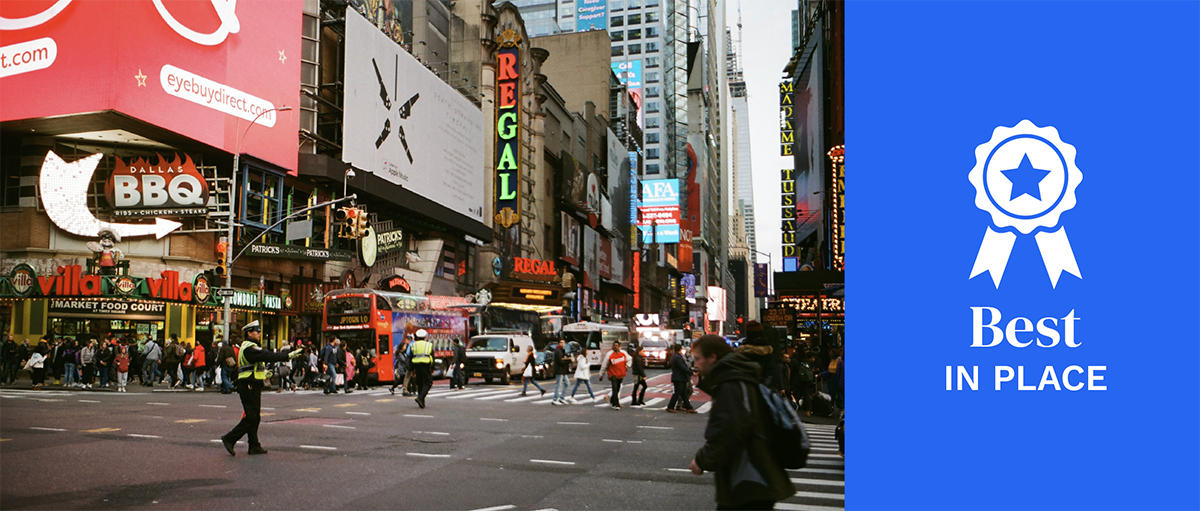
MIT researchers have done something remarkable. They’ve built the first complete pedestrian traffic model for an entire U.S. city, and the results are turning urban planning assumptions on their head.
The team assembled a comprehensive dataset of New York City’s sidewalks, crosswalks, and footpaths, then modeled foot traffic across all five boroughs. The findings? Manhattan is predictably busy (Midtown peaks at ~1,700 pedestrians per sidewalk segment per hour), but the real headline is that Queens, Brooklyn, and the Bronx are far more walkable than city planners have given them credit for — and chronically underinvested as a result.
The model also reframes pedestrian safety. Rather than just tallying raw crash numbers, it calculates accidents per pedestrian — revealing that flashy, high-traffic spots like Times Square are actually relatively safe, while areas near highway off-ramps carry disproportionately high risk.
Why does this matter beyond New York? Because the tools are now proven and portable. MIT is already working with Los Angeles (gearing up for the 2028 Olympics) and over 140 cities and towns in Maine to apply the same framework locally. Any city can use these models to guide infrastructure investment, assess development impacts, and protect pedestrians more effectively. In a country long obsessed with car traffic data, this research makes a compelling case. it’s time to start counting the people on foot, and caring for them too.
Photo credit: by Patrick Ho on Unsplash

Did you know that that locally-curated newsletters are your best best to grow foot traffic for your members and ratepayers? It’s a chonky read, so we’ve digested this stellar piece from Inbox Collective for you, and explain how it can support your mission as a place based practitioner.
Hyper-local events newsletters are quietly becoming community powerhouses. What started as frustrated newcomers wondering “what’s going on around here?” has turned into thriving publications with tens of thousands of subscribers — and real revenue.
The model is simple: curate local events, send consistently, and make it easy for people to show up to things. For downtown and district managers, this is a natural fit. You already know what’s happening. You just need a reliable way to tell people.
The five takeaways:
- Pick a lane — Focus on a specific audience: shoppers, foodies, families, young professionals. Speak directly to them. If you haven’t quantified your target Personas, give us a shout!
- Start small — From slow to showstopper — build the habit before scaling up frequency.
- Monetize creatively — Consider member value for your district merchants with things like sponsored listings to member businesses, bundle with social media promotion, or host your own ticketed events.
- Keep it simple — Event name, date, location, short description. No fancy design required. Consistency beats polish.
- Think bigger — A newsletter can expand into a membership club, a community steering committee, a discount program, or even a signature district event series.
Bottom line: if you want foot traffic, start by telling people where to put their feet.
Photo credit: by Andrey Larin on Unsplash
Everybody loves a success story, and this one warms our hearts to no end. In our work with districts, we often do Merchant Marketing Sessions; bringing cutting edge technological applications to your member base — to expand capacity and bring professional skills and MarCom chops to the businesses that make your district thrive.
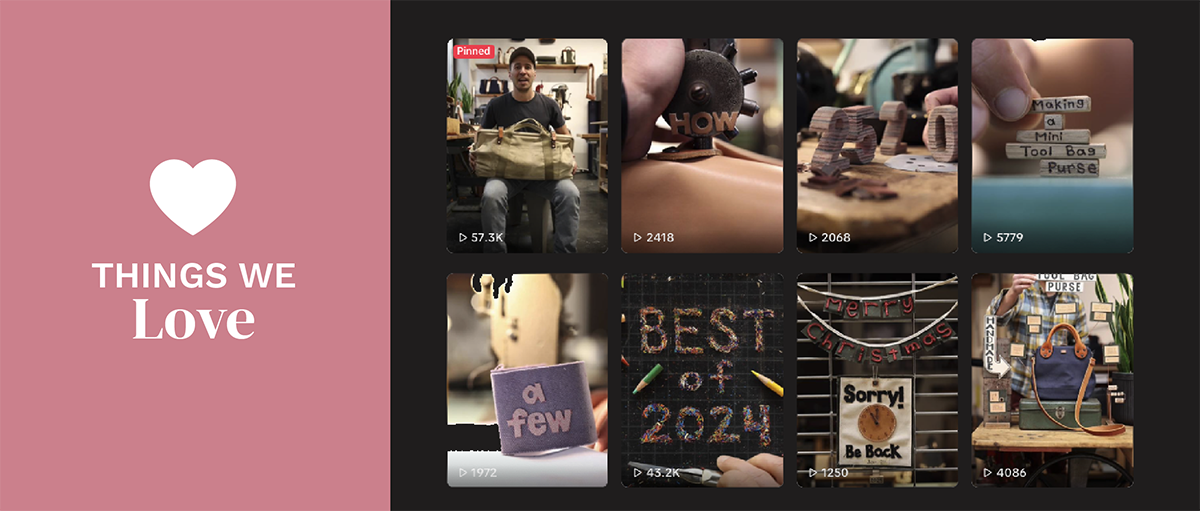
Case in point, several years ago we took the Downtown Norfolk merchants and taught them how to Tok. As in most districts, a certain few standout members will show up and rise to the occasion, and Werther Leather Goods is one of our fan faves. Derek Shaw is an artisanal leather worker, set up in Selden Market, who took to the Tok like a duck in water. He wrote to tell us that within days he had started his own Tik Tok account and sales began flooding in. The hand-hewn nature of Derek’s craft is fascinating, and as such, he has racked up an admirable following and makes some of the best videos out there. The next time you need a gift for that special someone, or simply want to treat yourself, check out Werther Leather Goods’ selection of handmade wallets, bags, belts, tool bags, totes, accessories and more. And tell Derek you heard about him from Bright Brothers!
Photo by Werther Leather Goods

Human factors engineering and UX fascinate us. And if you want to understand what makes a place sticky, look no further than an amusement park! Yep, from Dollywood to Disney to Knott’s Berry, the secret to untapping your downtown’s mojo may be found at Harvard. Well, a Harvard Graduate School of Design course entitled “Story Building: Secrets of Narrative Placemaking and Design from Entertainment Architecture” is more like it. This intensive two-day campus program includes a global learning laboratory and gamified learning exercises. It sold out in 2025, and the May 2026 session is fast approaching. If you’ve gone an extra $2K in your budget, send your placemaking peeps to Cambridge, Mass this May!
Photo credit: by ckturistando on Unsplash
“I think that IPAs taste like someone dropped a dirty penny in a Lager.” – Josh Yeager, Co-Founder, Bright Brothers Strategy Group on the Sidewalk Ballet podcast