
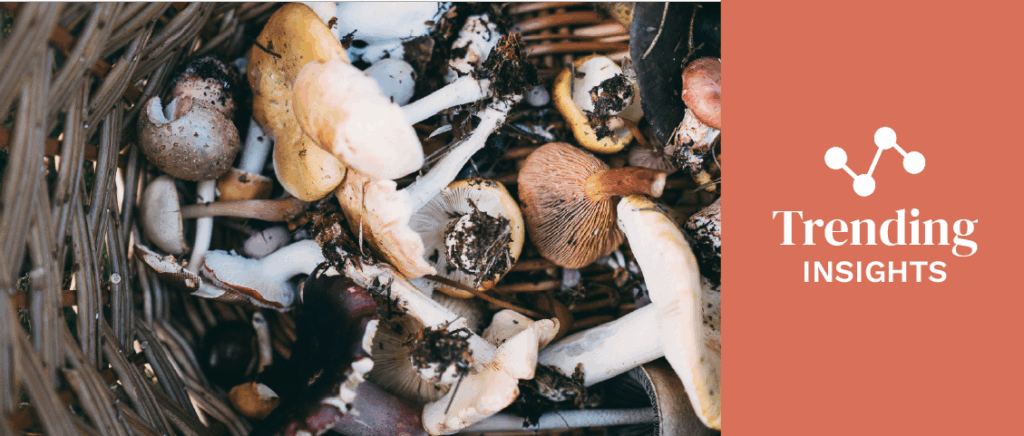
We’ve heard of food deserts and community gardens before, but what happens when a community takes over abandoned plots and turns them into sylvanian food sources? Food forests grow — and feed the communities around them. The trend began in the 1970s, and unlike community gardens, which may charge plot rentals and include raised garden beds for growing produce, food forests take a more organic approach. Planted with indigenous bushes, trees, and edibles, food forests resemble actual urban oases and yield bountiful, naturally abundant produce, with added benefits. The forests help counter the heat island effect; cooling and greening the surrounding urban areas, while providing pollinator-friendly habitats as they produce edible produce, nuts, berries and more. In Colorado, a Denver-based org has established 26 food forests that have produced more than 62,000 pounds of food, with plans for more. And in Massachusetts, 13 food forests have sprouted, with an admirable goal of 30 by 2030. In addition to the environmental impacts and outputs, these food forests also provide community gathering spaces that are activated with movie nights, yoga, places to picnic and host parties. With all of the accountable upsides, from cleaning and greening to community food sources to the development of new neighborhood meeting assets, these food forests offer replicable models for how your community might take control of blighted and abandoned plots to grow true community — right in your own backyard.
Photo credit: by Annie Spratt on Unsplash
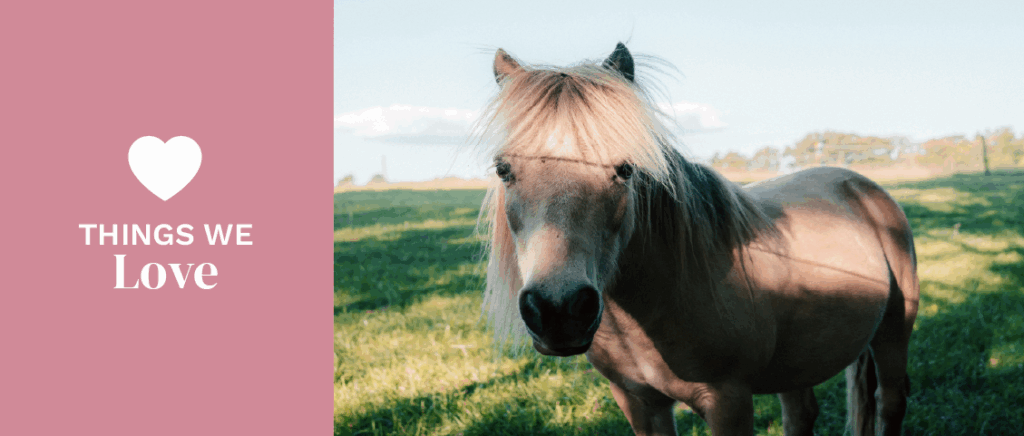
Now here’s one of the most clever tourism campaigns we’ve seen in a long, long time. We talk all the time about “leaning into local”, and those adept destination marketing folks in Kentucky’s Blue Grass region have announced the launch of a new thoroughbred-themed, AI-driven itinerary builder — craftily coined “Neigh-i”. Now, if that knee-slapper alone didn’t get ya, perhaps the outputs will. Inspired by an actual 17-year-old equine called Oliver, who enjoys “peppermints, neck scratches, and marching in parades,” the VisitLex website now enables you to plan a 72-hour visit based on Oliver’s recommendations. It’s cute, fun, and engaging! And while the proof may be in the pudding (ahem, erm…feedbag), the attention the region is getting from Oliver’s AI-driven itins may very well lead to increased awareness and visitation. Our question for you is, what in your local DNA can be amplified similarly, resulting in more footfall, hotel occupancy, and ultimately economic impacts for your ratepayers? Need help finding out? Let Bright Brothers take you through our strategic exercise that identifies your local “X-Factor” and perhaps a new blue ribbon of excellence at next year’s state fair or tourism conference.
Photo credit: by Spenser Sembrat on Unsplash

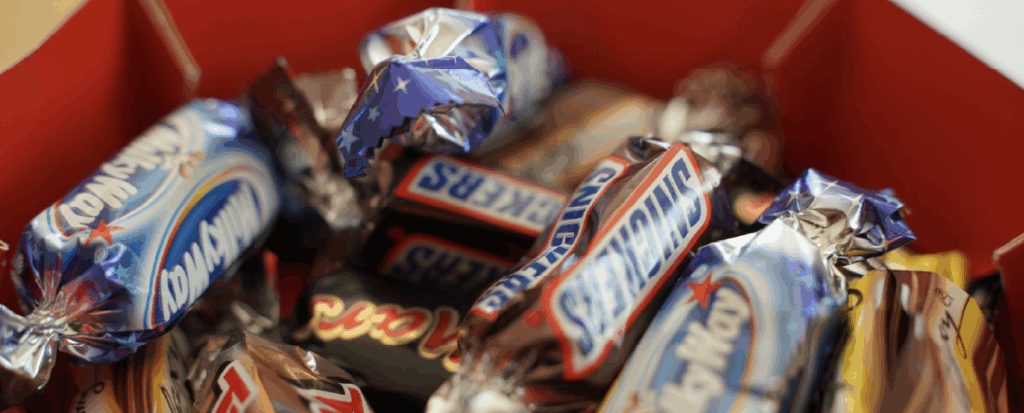
… that whether you’re Team Snickers or Team Sour Patch, where you live may influence the popularity of candy in your state. Approximately 600 million pounds of the sweet stuff is being sold this Halloween season, valued at nearly $3.9 billion — candy is big business in the States. While the rising costs of candy may cause some households to Grinch up on the good stuff this year, there’s no denying the appeal of dressing up, grabbing an old pillowcase, and filling it up for hours of cavity-inducing fun! So what’s the most popular Samhain sweet in your neck of the woods? Check out this sweet map so you can disagree with the results.
Photo credit: by Sebbi Strauch on Unsplash

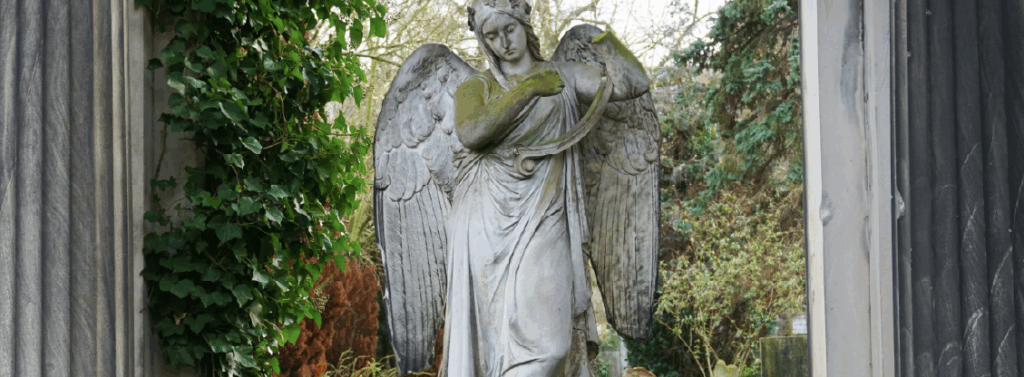
Most people avoid hanging out in cemeteries unless they absolutely have to. Berlin? Berlin said, “hold my oat milk latte.” The German capital now has about a dozen cafés tucked inside actual graveyards, and business is — pardon the pun — absolutely killing it. Unlike other cities where cemeteries are banished to the outskirts, Berlin’s burial grounds have always been nestled right in neighborhoods, which apparently makes them prime real estate for your morning caffeine fix.
The movement’s godfather is Bernd Boßmann, a 65-year-old veteran of the AIDS crisis who got fed up visiting deceased friends in the fancy Old St Matthäus cemetery (where the Brothers Grimm are buried). His complaint? Great for corpses, terrible for the living. No bathrooms, no flowers, nowhere to sit and contemplate mortality in comfort. So in 2006, he opened Finovo, Germany’s first cemetery café, and kicked off what can only be described as Berlin’s most morbidly chill trend.
The boom makes economic sense in a grim sort of way. Germans are increasingly choosing cremation over burial, leaving cemeteries with less income and more abandoned buildings. Vandals started targeting the empty spaces. Meanwhile, commercial rent in Berlin has gone through the roof. Solution? Turn former parish halls and crematoriums into hipster hangouts.
Berlin’s cemetery cafés prove that Germans have figured out what the rest of us haven’t: death is unavoidable, so you might as well enjoy a good coffee while you contemplate your own unavoidable future — no steamed milk required!
Photo credit: by Ralf Knüfer on Unsplash
From Sleepy Hollow to Salem, Mass, and beyond — spooky season can mean an inordinate amount of tourists flooding your town to get their scare on. It’s a double-edged sword. On one hand, the seasonal influx of foot traffic can sustain businesses for the remainder of the year. For residents and locals however, the touristic onslaught can turn their realities into a literal living nightmare. One resident of Salem was unable to get their prescriptions at CVS due to traffic and long lines, and another proprietor had to close on weekends because none of their clients could make their scheduled appointments. It’s an interesting conundrum that comes with living and working in a world-class Halloween hot spot, and these wickedly alluring places deserve a deeper look this week as we ponder the spectral spectrum from cheers to delight to the frightful side of destination marketing.
Photo credit: by Colton Sturgeon on Unsplash
“As soon as they pass the cemetery gates, they just seem a bit more empathetic, a little gentler.” — Chiara de Martin Topranin, Berlin graveyard café proprietor